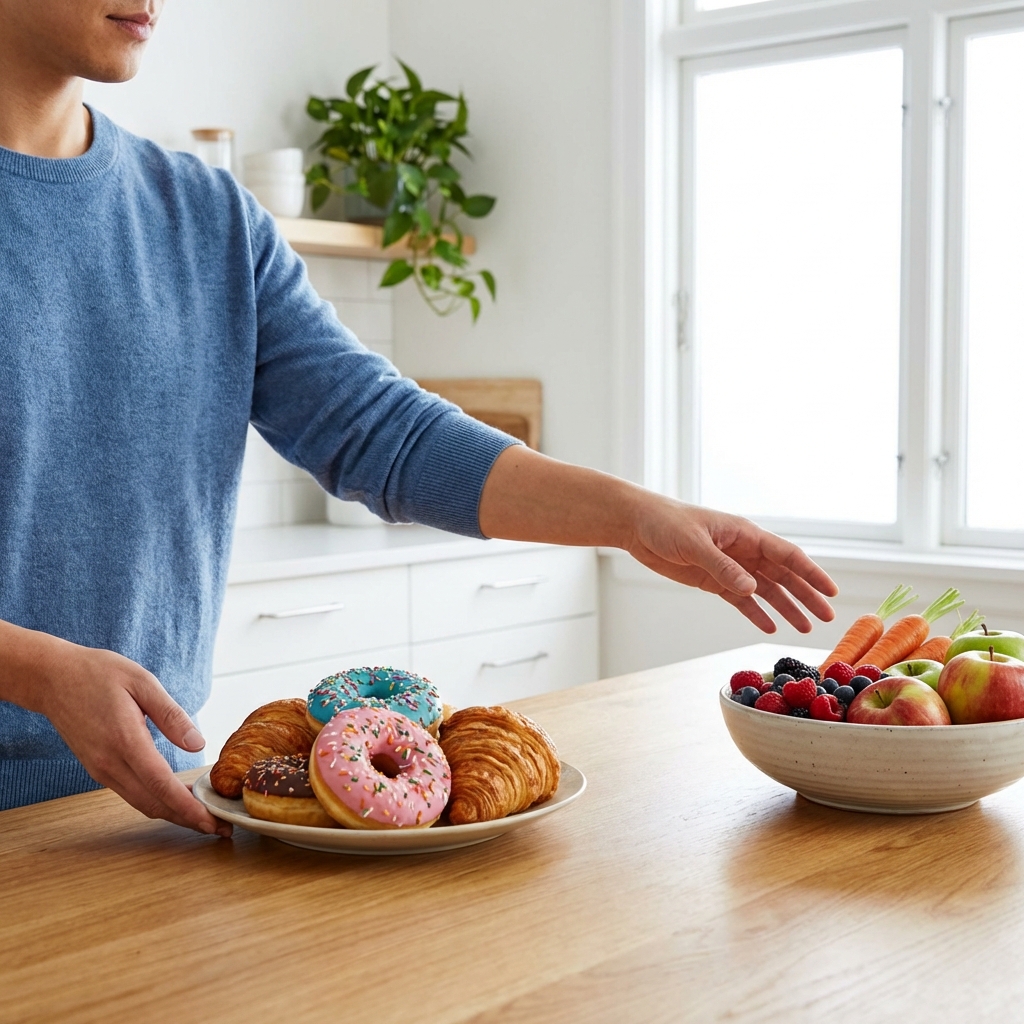
Cutting out sugar is one of the best things you can do for your health. It is also one of the hardest, at least for the first couple of weeks. But once you get through that initial period, everything changes.
This guide will walk you through exactly what happens when you cut out sugar, how to handle the tough parts, and what benefits you can expect on the other side.
Why Cut Out Sugar?
You probably already know sugar is not great for you. But understanding exactly why can help motivate you through the difficult moments.
It is addictive. Sugar activates the same reward pathways in your brain as drugs like cocaine. This is not an exaggeration. Studies show sugar can be more addictive than some recreational drugs. That is why cutting it out is so hard.
It causes weight gain. Sugar provides empty calories that do not fill you up. It spikes insulin, which promotes fat storage. And the blood sugar crashes that follow make you hungry again faster.
It damages your health. Excess sugar is linked to type 2 diabetes, heart disease, fatty liver disease, inflammation, and even cognitive decline. The more you eat, the higher your risk.
It ages you. Sugar accelerates a process called glycation, which damages collagen and elastin in your skin. People who eat less sugar tend to look younger.
What Counts as Sugar?
When we talk about cutting out sugar, we mean added sugars, not the natural sugars in whole fruits and vegetables. The distinction matters.
Cut these out:
Table sugar, brown sugar, honey, maple syrup, and agave in cooking and drinks. Sodas, fruit juices, sweetened coffee, and energy drinks. Candy, cookies, cakes, ice cream, and desserts. Processed foods with added sugars (check labels).
These are fine:
Whole fruits (the fiber makes a difference). Plain dairy (milk has lactose but no added sugar). Vegetables. These contain natural sugars but also fiber, vitamins, and minerals that slow absorption.
The Timeline: What to Expect
Knowing what is coming makes it easier to push through. Here is a typical timeline when cutting out sugar:
Days 1-2: You might feel fine, even optimistic. The sugar is still in your system. Enjoy this grace period.
Days 3-5: This is the hard part. Withdrawal symptoms hit: headaches, fatigue, irritability, intense cravings, maybe even flu-like symptoms. Your brain is literally adjusting to life without its favorite drug.
Days 6-10: Symptoms start to ease. Cravings become more manageable. You might notice your energy stabilizing instead of going up and down.
Days 11-14: Most people turn a corner here. Cravings diminish significantly. Natural foods start tasting sweeter. You feel noticeably better.
Week 3 and beyond: This becomes your new normal. Cravings are rare. Energy is stable. You cannot imagine going back.
The 14-Day Challenge
Commit to 14 days. That is all it takes to get through the hardest part and start feeling the benefits. After two weeks, you can decide if you want to continue, but most people do.
Two weeks is short enough to be mentally manageable, but long enough to reset your taste buds and break the addiction cycle.
How to Handle Cravings
Cravings will happen, especially in the first week. Here is how to get through them:
Eat enough food. Do not try to cut sugar and calories at the same time. Eat filling meals with plenty of protein and healthy fats. Hunger makes cravings worse.
Drink water. Sometimes what feels like a craving is actually thirst. Drink a full glass of water and wait 10 minutes.
Go for a walk. Physical activity can reduce cravings. Even a 10-minute walk helps.
Have alternatives ready. Keep berries, dark chocolate (85%+), or nuts on hand. When you need something, reach for these instead.
Ride it out. Cravings peak and then pass. They usually only last 15-20 minutes. Distract yourself and wait.
What to Eat Instead
Cutting out sugar does not mean eating bland, boring food. It means eating real food that actually nourishes you.
Proteins: Eggs, chicken, fish, beef, tofu, tempeh. Protein keeps you full and stabilizes blood sugar.
Healthy fats: Avocados, olive oil, nuts, seeds, coconut oil. Fat satisfies hunger and tastes good.
Vegetables: All of them, in any quantity. Load up on greens, cruciferous vegetables, and colorful produce.
Fruits: Berries are lowest in sugar. Apples, citrus, and stone fruits are fine in moderation. Eat them whole, not juiced.
Complex carbs: Sweet potatoes, quinoa, brown rice, oats. These provide sustained energy without the spike.
100+ Sugar-Free Recipes
Need meal ideas? The Sukali app has over 100 delicious sugar-free recipes for breakfast, lunch, dinner, and snacks. Plus you can scan any food to check for hidden sugars.
Download FreeHidden Sugar Traps
The obvious sugary foods are easy to avoid. The hidden ones are trickier. Watch out for:
Sauces and condiments: Ketchup, BBQ sauce, teriyaki, pasta sauce, and salad dressings often contain significant sugar.
Bread: Even "healthy" whole grain bread often has added sugar. Check the label.
Flavored yogurt: Can have as much sugar as a candy bar. Choose plain and add your own fruit.
Granola and breakfast cereals: Most are basically candy disguised as health food.
Restaurant food: Sugar is added to almost everything to enhance flavor. Cook at home when possible.
The Benefits You Will Notice
Once you get past the initial withdrawal, the benefits start stacking up:
Stable energy. No more 3pm crashes. No more needing sugar to wake up or power through. Just consistent energy all day.
Reduced cravings. This one is counterintuitive, but true. When you stop eating sugar, you stop craving it. Your taste buds reset.
Clearer skin. Many people notice improvements in acne, inflammation, and overall skin quality within weeks.
Better sleep. Blood sugar swings can disrupt sleep. Stable blood sugar means deeper, more restful nights.
Weight loss. Even without counting calories, most people lose weight when they cut sugar simply because they stop overeating.
Mental clarity. The brain fog lifts. Thinking becomes sharper. Focus improves.
Common Mistakes to Avoid
Going too extreme too fast. If you try to cut sugar, cut carbs, and cut calories all at once, you will probably fail. Focus on sugar first.
Replacing with artificial sweeteners. These can maintain your sweet tooth and may have their own issues. Use sparingly if at all.
Not eating enough. Hunger makes everything harder. Eat satisfying meals so you are not fighting cravings on an empty stomach.
Expecting perfection. If you slip up, do not quit. Just get back on track with your next meal. One mistake does not erase your progress.
The Bottom Line
Cutting out sugar is hard for about two weeks. Then it gets dramatically easier. And the benefits, more energy, less weight, clearer skin, better health, are worth every difficult moment.
Start with a 14-day commitment. Get through those first two weeks and you will see for yourself. Your taste buds will reset, your cravings will fade, and you will feel like a different person.
The only question is: are you ready to start?
Start Cutting Out Sugar Today
Download Sukali to scan foods for hidden sugars and get 100+ sugar-free recipes. It makes cutting out sugar so much easier.