A healthy diet is the foundation of good health, energy, and longevity. But with so much conflicting advice out there, it can be overwhelming to know where to start. This guide cuts through the noise and gives you a clear, science-backed approach to eating well.
The good news? Healthy eating does not have to be complicated, expensive, or boring. By the end of this article, you will know exactly what to eat, what to avoid, and how to build meals that nourish your body and taste amazing.
In This Article
- • What Is a Healthy Diet?
- • The 5 Pillars of Healthy Eating
- • Complete Healthy Food List
- • Foods to Avoid or Limit
- • Sample Meal Plans
- • How to Start Eating Healthy
What Is a Healthy Diet?
A healthy diet provides your body with the nutrients it needs to function properly while maintaining a healthy weight and reducing the risk of chronic diseases. It is not about perfect eating or strict rules. It is about making better choices most of the time.
Research consistently shows that the healthiest populations in the world share common eating patterns: they eat mostly whole foods, plenty of plants, moderate amounts of fish and poultry, and very little processed food or added sugar.
The 5 Pillars of Healthy Eating
1. Eat Whole Foods
Whole foods are foods that have been minimally processed and are as close to their natural state as possible. They contain more nutrients and fiber than processed alternatives.
✓ Choose These
- • Fresh vegetables and fruits
- • Whole grains (brown rice, oats)
- • Fresh fish, poultry, meat
- • Eggs
- • Nuts and seeds
- • Legumes (beans, lentils)
✗ Avoid These
- • Packaged snacks
- • Fast food
- • Processed meats
- • Frozen meals
- • Sugary cereals
- • Chips and crackers
2. Fill Half Your Plate with Vegetables
Vegetables are the most nutrient-dense foods on the planet. They provide vitamins, minerals, fiber, and antioxidants with very few calories. Aim for variety and color.
Daily goal: At least 5 servings of vegetables. One serving = 1 cup raw or 1/2 cup cooked.
3. Choose Quality Protein
Protein is essential for muscle maintenance, immune function, and satiety. Choose lean, high-quality sources and include protein at every meal.
4. Include Healthy Fats
Fat is not the enemy. Healthy fats support brain function, hormone production, and nutrient absorption. The key is choosing the right types.
Good Fats
- • Olive oil
- • Avocados
- • Nuts (almonds, walnuts)
- • Fatty fish (salmon, sardines)
- • Chia and flax seeds
Bad Fats
- • Trans fats (hydrogenated oils)
- • Fried foods
- • Processed vegetable oils
- • Margarine
5. Minimize Added Sugar
Added sugar is one of the biggest threats to health. It contributes to obesity, diabetes, heart disease, and even skin aging. The average person consumes 17 teaspoons daily when the limit should be 6-9.
Hidden sugar sources: Sauces, dressings, bread, yogurt, granola bars, and "healthy" snacks often contain surprising amounts of added sugar.
Complete Healthy Food List
Use this comprehensive list when shopping or planning meals. These foods form the foundation of a healthy diet.
🥦 Vegetables (Unlimited)
Leafy Greens
- • Spinach
- • Kale
- • Arugula
- • Swiss chard
- • Romaine lettuce
Cruciferous
- • Broccoli
- • Cauliflower
- • Brussels sprouts
- • Cabbage
- • Bok choy
Other Favorites
- • Bell peppers
- • Zucchini
- • Tomatoes
- • Carrots
- • Asparagus
🍗 Proteins
Fish & Seafood
- • Salmon (wild-caught)
- • Sardines
- • Mackerel
- • Cod
- • Shrimp
Poultry & Eggs
- • Chicken breast
- • Turkey
- • Whole eggs
- • Duck
Plant-Based
- • Lentils
- • Chickpeas
- • Black beans
- • Tofu
- • Tempeh
🥑 Healthy Fats
- • Extra virgin olive oil
- • Avocados
- • Almonds & walnuts
- • Chia seeds
- • Flaxseeds
- • Coconut oil (in moderation)
🌾 Complex Carbs
- • Quinoa
- • Brown rice
- • Oats (steel-cut)
- • Sweet potatoes
- • Whole grain bread
- • Buckwheat
Not Sure What to Cook?
The Sukali app has hundreds of healthy recipes using real, whole food ingredients. Scan any food to check its nutritional value and get personalized meal ideas based on what you have at home.
Foods to Avoid or Limit
These foods contribute to inflammation, weight gain, and chronic disease. Minimize or eliminate them from your diet.
Eliminate Completely
- ❌ Trans fats / hydrogenated oils
- ❌ Sugary sodas and drinks
- ❌ Processed meats (hot dogs, bologna)
- ❌ Deep-fried foods
- ❌ Artificial sweeteners in excess
Limit Significantly
- ⚠️ Refined sugar and sweets
- ⚠️ White bread and pasta
- ⚠️ Packaged snacks
- ⚠️ Alcohol
- ⚠️ Fast food
Sample Healthy Meal Plan
Here is what a day of healthy eating looks like in practice:
🌅 Breakfast
Greek Yogurt Bowl
Plain Greek yogurt + mixed berries + walnuts + chia seeds + drizzle of honey
~350 calories | 25g protein | 12g fiber
☀️ Lunch
Mediterranean Salad
Mixed greens + grilled chicken + cucumber + tomatoes + olives + feta + olive oil dressing
~450 calories | 35g protein | 8g fiber
🌙 Dinner
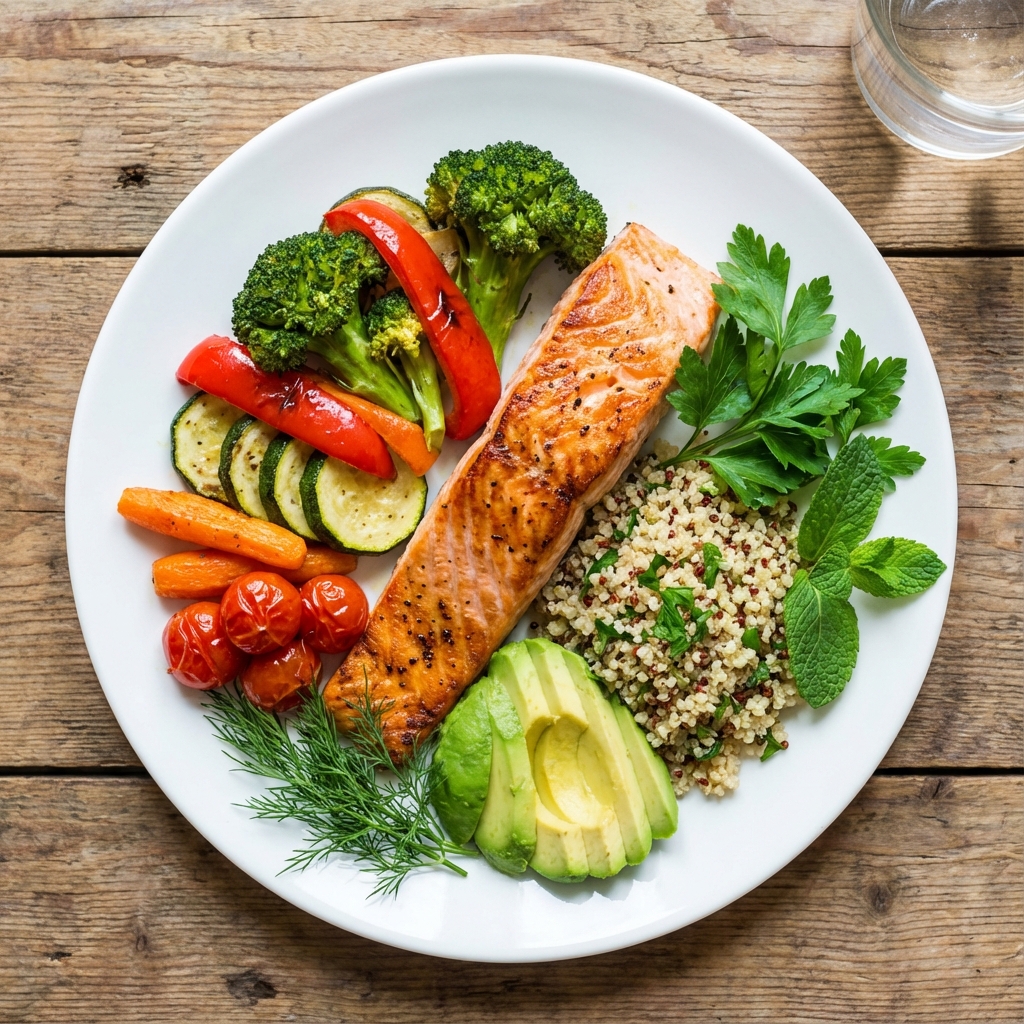
Baked Salmon with Vegetables
Wild salmon + roasted broccoli + quinoa + lemon-herb sauce
~500 calories | 40g protein | 6g fiber
🍎 Snacks
Apple with almond butter | Handful of mixed nuts | Carrot sticks with hummus
~300 calories total
How to Start Eating Healthy
The key to lasting change is starting small. Here is a 4-week plan to transition to healthier eating:
Week 1: Add More Vegetables
Add one extra serving of vegetables to each meal. Keep everything else the same.
Week 2: Cut Sugary Drinks
Replace soda, juice, and sweetened coffee with water, unsweetened tea, or black coffee.
Week 3: Cook More at Home
Prepare at least 4 dinners at home this week. Use simple recipes with whole ingredients.
Week 4: Upgrade Your Proteins
Replace processed meats with fish, chicken, or plant-based proteins like lentils.
Frequently Asked Questions
What is the healthiest diet to follow?
The Mediterranean diet is consistently ranked #1 by nutrition experts. It focuses on vegetables, olive oil, fish, whole grains, and moderate amounts of poultry and dairy. It is associated with lower rates of heart disease, diabetes, and cognitive decline.
What foods should I eat every day?
Aim to eat daily: leafy greens, colorful vegetables, lean protein, whole grains, berries or low-sugar fruits, nuts or seeds, and plenty of water. These provide the essential nutrients your body needs to thrive.
Is healthy eating expensive?
It does not have to be. Focus on affordable staples: eggs, canned beans, frozen vegetables, oats, and seasonal produce. Cooking at home is almost always cheaper than eating out or buying processed foods.
Ready to Eat Healthier?
Download Sukali fo get hundreds of healthy recipes, meal plans, and the tools to track your nutrition. Start your health journey today.