No sugar diets have exploded in popularity over the past few years, and for good reason. People who try them report more energy, weight loss, clearer skin, and a long list of other benefits. But there is also a lot of confusion about what a no sugar diet actually means and how to do it properly.
This guide will clear up the confusion. I will explain exactly what no sugar diets are, the different approaches you can take, what foods to eat and avoid, and how to make it sustainable for the long term.
What Is a No Sugar Diet?
A no sugar diet is exactly what it sounds like. You eliminate added sugars from your food. This means cutting out the sugar you add to coffee, the sugar in soda and candy, and the hidden sugar in processed foods like bread, sauces, and yogurt.
Most people following no sugar diets still eat natural sugars found in whole fruits and vegetables. The focus is on removing the processed, added sugars that cause health problems. Some people take it further and eliminate all sugars including fruit, but that is not necessary for most people.
The average person consumes around 17 teaspoons of added sugar per day. That is nearly three times the recommended amount. No sugar diets aim to bring that number close to zero.
Different Types of No Sugar Diets
Not all no sugar diets are the same. Here are the main approaches people take.
No added sugar diet. This is the most common approach. You eliminate all foods with added sugar but still eat whole fruits and vegetables. Most people start here because it is sustainable and still gives excellent results.
Low sugar diet. You reduce sugar significantly but do not eliminate it completely. Maybe you allow yourself one treat per week or keep added sugar under 25 grams daily. This works well for people who find total elimination too restrictive.
Zero sugar diet. You eliminate all sugars including those in fruit. This is often combined with low carb or keto diets. It produces faster results but is harder to maintain and not necessary for most people.
Sugar detox. A short-term approach, usually 14 to 30 days, where you completely eliminate sugar to reset your taste buds and break the addiction. Many people start with a detox and then transition to a no added sugar diet.
Why People Choose No Sugar Diets
The reasons vary, but the most common motivations include weight loss, better energy, clearer skin, and long-term health. Sugar is linked to obesity, type 2 diabetes, heart disease, inflammation, and even cognitive decline. Removing it addresses all of these at once.
Weight loss is the most popular reason. Sugar provides empty calories that do not fill you up, spikes insulin which promotes fat storage, and causes hunger soon after eating. Removing sugar makes weight loss almost automatic for many people.
Stable energy is another major benefit. When you eat sugar, your blood glucose spikes and then crashes. These constant ups and downs leave you feeling tired and reaching for more sugar. Without the spikes and crashes, energy stays consistent all day.
Clearer skin surprises many people. Sugar causes inflammation which shows up as acne, puffiness, and premature aging. Within a few weeks of quitting sugar, many people notice their skin looks dramatically better.
Start Your No Sugar Diet Today
The Sukali app makes no sugar diets easy. Scan any food to check for hidden sugars and access 100 plus sugar-free recipes for every meal.
Download FreeWhat to Eat on a No Sugar Diet
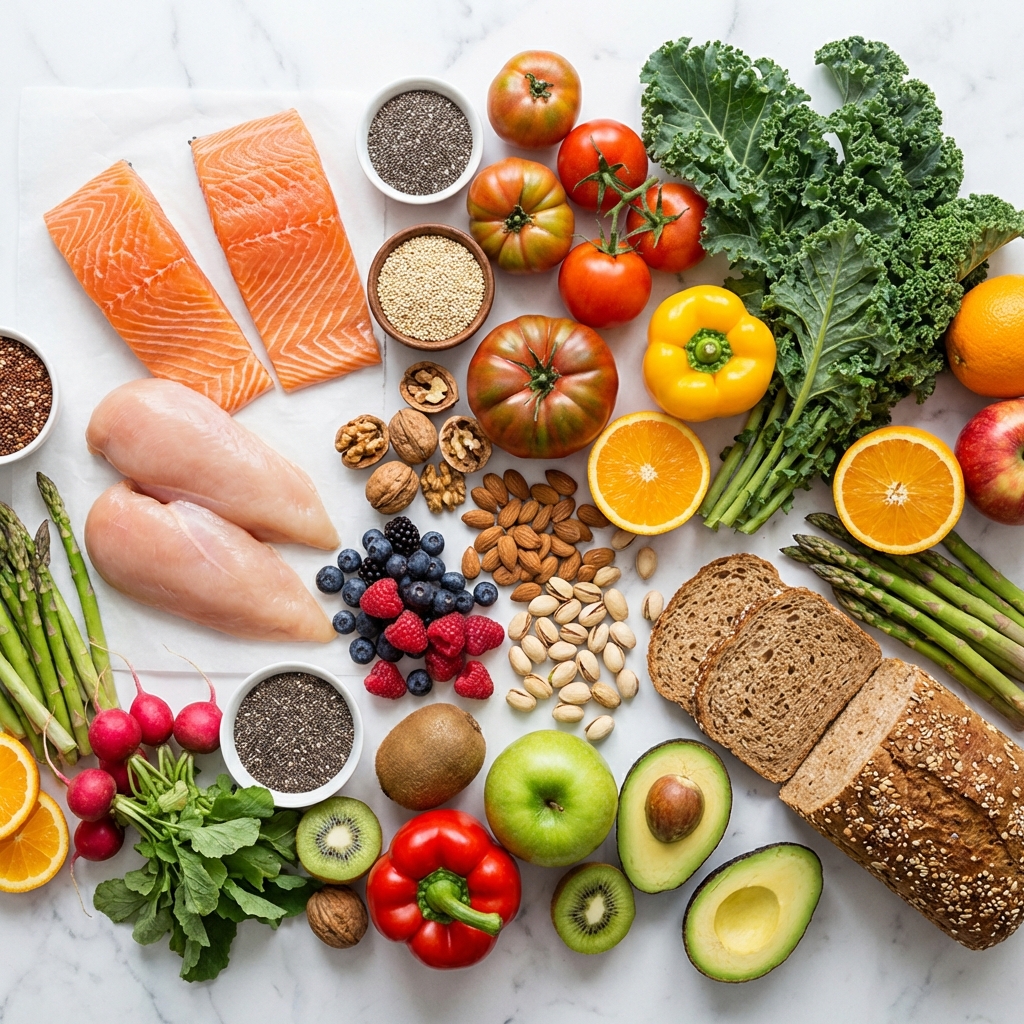
A no sugar diet is not about restriction. It is about eating real, whole foods that nourish your body. Here is what you can eat freely.
All vegetables. Load up on leafy greens, broccoli, peppers, onions, tomatoes, and anything else that grows. Vegetables are unlimited on a no sugar diet and should form the foundation of your meals.
Whole fruits. Berries are lowest in sugar. Apples, oranges, and other fruits are fine in moderation. Eat them whole, not juiced, so you get the fiber that slows sugar absorption.
Proteins. Eggs, chicken, fish, beef, pork, tofu, and tempeh. Protein keeps you full and does not spike blood sugar. Aim for some protein at every meal.
Healthy fats. Avocados, olive oil, nuts, seeds, and coconut oil. Fat provides energy, tastes good, and helps you absorb vitamins from vegetables.
Complex carbohydrates. Sweet potatoes, quinoa, brown rice, oats, and legumes. These provide sustained energy without the blood sugar spikes of refined carbs.
What to Avoid
The obvious culprits are easy to identify. Soda, candy, cookies, and desserts. But sugar hides in many foods you might not expect.
Sugary drinks are the first thing to eliminate. Soda, fruit juice, sweetened coffee, energy drinks, and sports drinks. These provide massive amounts of sugar with no nutritional benefit.
Processed foods almost always contain added sugar. This includes bread, pasta sauce, salad dressing, ketchup, cereal, granola, and flavored yogurt. Check labels for anything ending in ose like fructose, glucose, or maltose.
Low-fat products often have extra sugar added to improve taste. Full-fat versions are usually better choices on a no sugar diet.
Restaurant food frequently contains hidden sugar. Restaurants add sugar to enhance flavor in dishes you would never expect. Cooking at home gives you full control.
How to Start
The best approach depends on your personality. Some people do well with gradual changes. Others prefer to go all in. Here are both options.
Gradual approach. Week one, cut sugary drinks. Week two, eliminate desserts and obvious sweets. Week three, start reading labels and removing packaged foods with added sugar. This gives your taste buds time to adjust and makes the change feel less dramatic.
Cold turkey approach. Remove all added sugar starting today. Yes, the first week will be harder. You might experience headaches, fatigue, and cravings. But you get through the difficult period faster and start seeing benefits sooner. Many people prefer ripping off the bandaid.
What to Expect
Days 1 to 3. You might feel fine as sugar is still in your system. Some people even feel great from the optimism of starting something new.
Days 3 to 7. This is when withdrawal hits. Headaches, fatigue, irritability, and intense cravings are common. Your brain is adjusting to life without its favorite drug. Push through.
Days 7 to 14. Symptoms ease. Cravings become manageable. Energy starts to stabilize. You might notice your clothes fitting better already.
After 14 days. This becomes your new normal. Cravings are rare. Natural foods taste sweeter. You feel better than you have in years. Most people never want to go back.
Making It Sustainable
The goal is not perfection. It is building a sustainable way of eating that serves your health long-term.
Focus on what you can eat rather than what you cannot. A plate full of grilled salmon, roasted vegetables, and avocado is not deprivation. It is delicious.
Find sugar-free treats that satisfy cravings. Dark chocolate at 85 percent or higher. Berries with whipped cream. Homemade desserts sweetened with stevia.
Plan ahead for challenging situations. Keep sugar-free snacks available. Know what to order at restaurants. Have responses ready for people who pressure you to eat sugar.
Do not beat yourself up if you slip. One mistake does not erase your progress. Just get back to sugar-free eating with your next meal.
Ready to Start Your No Sugar Diet?
Join thousands who have transformed their health. Download Sukali to scan foods for hidden sugars and get 100 plus sugar-free recipes.