Sugar free is not a diet. It is a way of eating that eliminates added sugars while embracing whole, natural foods. And once you try it, you will wonder why you did not start sooner.
This guide covers everything you need to know: what sugar free actually means, why it matters for your health, what you can eat, and how to make the transition without losing your mind.
What Does Sugar Free Really Mean?
Let me be clear about something upfront: sugar free does not mean zero sugar. That would be nearly impossible and not even healthy. Natural sugars exist in fruits, vegetables, and dairy, and these are perfectly fine.
When we talk about going sugar free, we mean eliminating added sugars. These are the sugars that manufacturers add to processed foods to make them taste better, last longer, or be more addictive.
Added sugars show up on labels under dozens of names: high fructose corn syrup, sucrose, maltose, dextrose, cane sugar, agave nectar, and many more. The goal is to avoid these while still enjoying naturally occurring sugars in moderation.
Why Go Sugar Free?
The average person consumes about 17 teaspoons of added sugar per day. That is nearly three times the recommended limit. And the consequences are not just about weight.
Energy. Sugar causes blood sugar spikes followed by crashes. Going sugar free means stable energy throughout the day instead of the 3pm slump.
Weight. Sugar is incredibly easy to overconsume because it does not trigger fullness signals. Remove it and you naturally eat fewer calories without feeling deprived.
Skin. Sugar causes inflammation and can accelerate aging. Many people notice clearer, more radiant skin within weeks of going sugar free.
Mental clarity. The brain fog that comes with blood sugar swings disappears. You think more clearly and focus better.
Cravings. This one seems counterintuitive, but when you stop eating sugar, you stop craving it. Your taste buds reset and natural foods become satisfying again.
What Can You Eat?
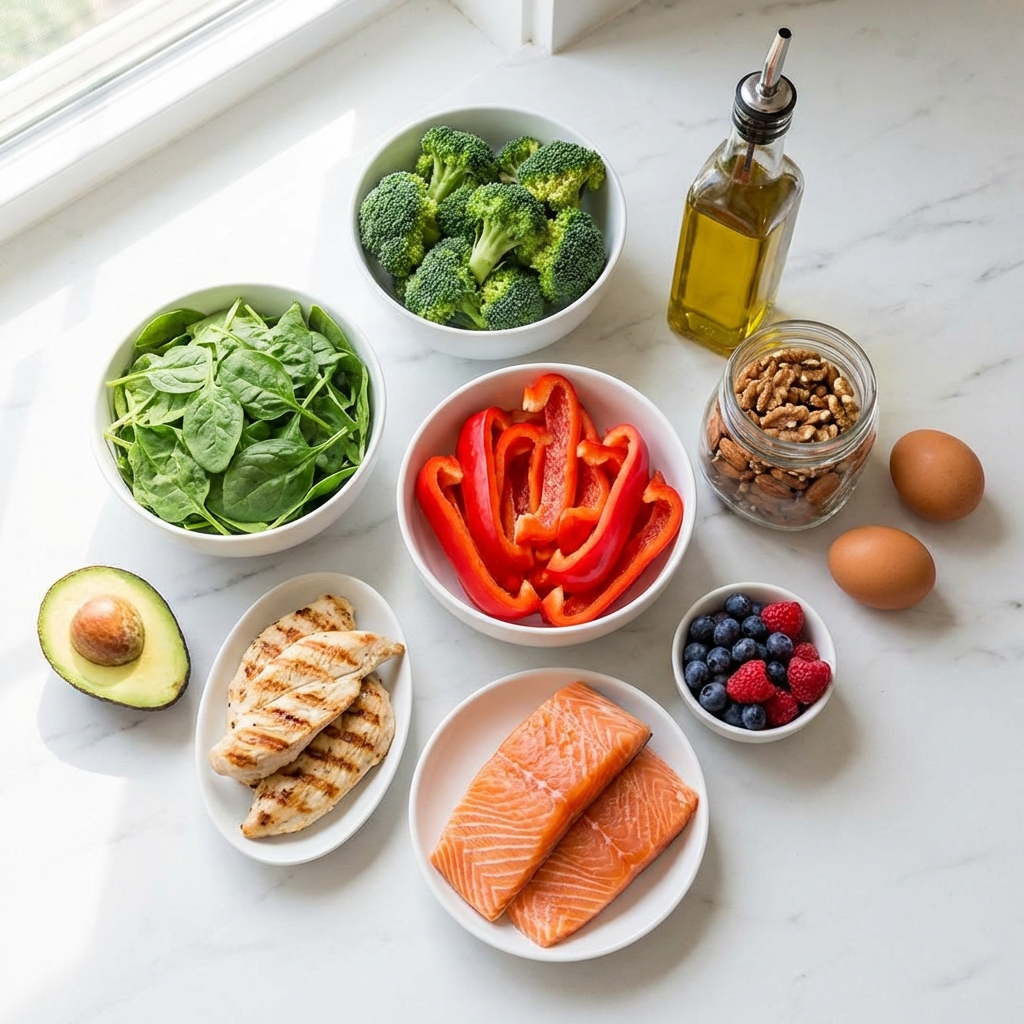
Here is the good news: you can eat a lot. Sugar free is not about restriction, it is about choosing whole foods over processed ones.
Proteins: All meats, fish, eggs, tofu, tempeh. Just watch out for marinades and sauces which often contain sugar.
Vegetables: All of them. Leafy greens, cruciferous vegetables, root vegetables, everything.
Fruits: Yes, fruits are allowed. They contain natural sugar but also fiber which slows absorption. Berries are the lowest in sugar.
Healthy fats: Avocados, olive oil, nuts, seeds, coconut oil.
Dairy: Plain yogurt, cheese, milk. Avoid flavored varieties which are loaded with sugar.
Whole grains: Oats, quinoa, brown rice, whole wheat. These are fine in moderation.
What to Avoid
Obvious sugars: Candy, cookies, cake, ice cream, chocolate bars, donuts.
Sweetened drinks: Soda, fruit juice, sweetened coffee, sports drinks, energy drinks.
Hidden sugars: This is where it gets tricky. Bread, pasta sauce, salad dressing, ketchup, granola bars, flavored yogurt, and most packaged foods contain added sugar.
The rule is simple: if it comes in a package, check the label. You will be surprised where sugar hides.
Scan Any Food for Hidden Sugars
Not sure if something has sugar? The Sukali app lets you scan any food and see exactly how much sugar it contains, broken down into natural vs added sugars.
Download FreeHow to Start
You have two options: go cold turkey or ease into it.
Cold turkey is harder in the first week but faster to see results. You will likely experience some withdrawal symptoms: headaches, irritability, fatigue, intense cravings. These usually peak around days 3-5 and fade by day 10.
Gradual transition is easier but takes longer. Start by eliminating the obvious stuff: soda, candy, desserts. Then week by week, cut out more hidden sources.
Either approach works. The important thing is to start somewhere.
Tips for Success
Stock your kitchen. Get rid of the sugary stuff and fill your fridge with whole foods. You cannot eat what is not there.
Eat enough protein and fat. These keep you full and reduce cravings. Do not try to go sugar free while also restricting calories heavily.
Have alternatives ready. When you want something sweet, reach for berries, dark chocolate (85% or higher), or a piece of fruit.
Read every label. Sugar hides everywhere. The more you check labels, the more shocked you will be.
Be patient. Your taste buds need about two weeks to reset. Foods that seem bland now will taste amazing once your palate adjusts.
What About Artificial Sweeteners?
This is a personal choice. Some people use them as a bridge to help transition away from sugar. Others avoid them entirely because they can maintain sugar cravings.
My advice: if you use them, use them sparingly and aim to reduce over time. The goal is to retrain your taste buds to appreciate less sweetness, and artificial sweeteners can work against that.
The Bottom Line
Going sugar free is one of the best decisions you can make for your health. The first two weeks are the hardest, but after that, it gets dramatically easier.
You will have more energy, clearer skin, fewer cravings, and probably lose some weight along the way. Food will taste better because your taste buds will not be overwhelmed by hyper-sweet processed junk.
Start today. Your future self will thank you.
Start Your Sugar Free Journey
Download Sukali to scan foods for hidden sugars and get 100+ sugar-free recipes. It is the easiest way to go sugar free.