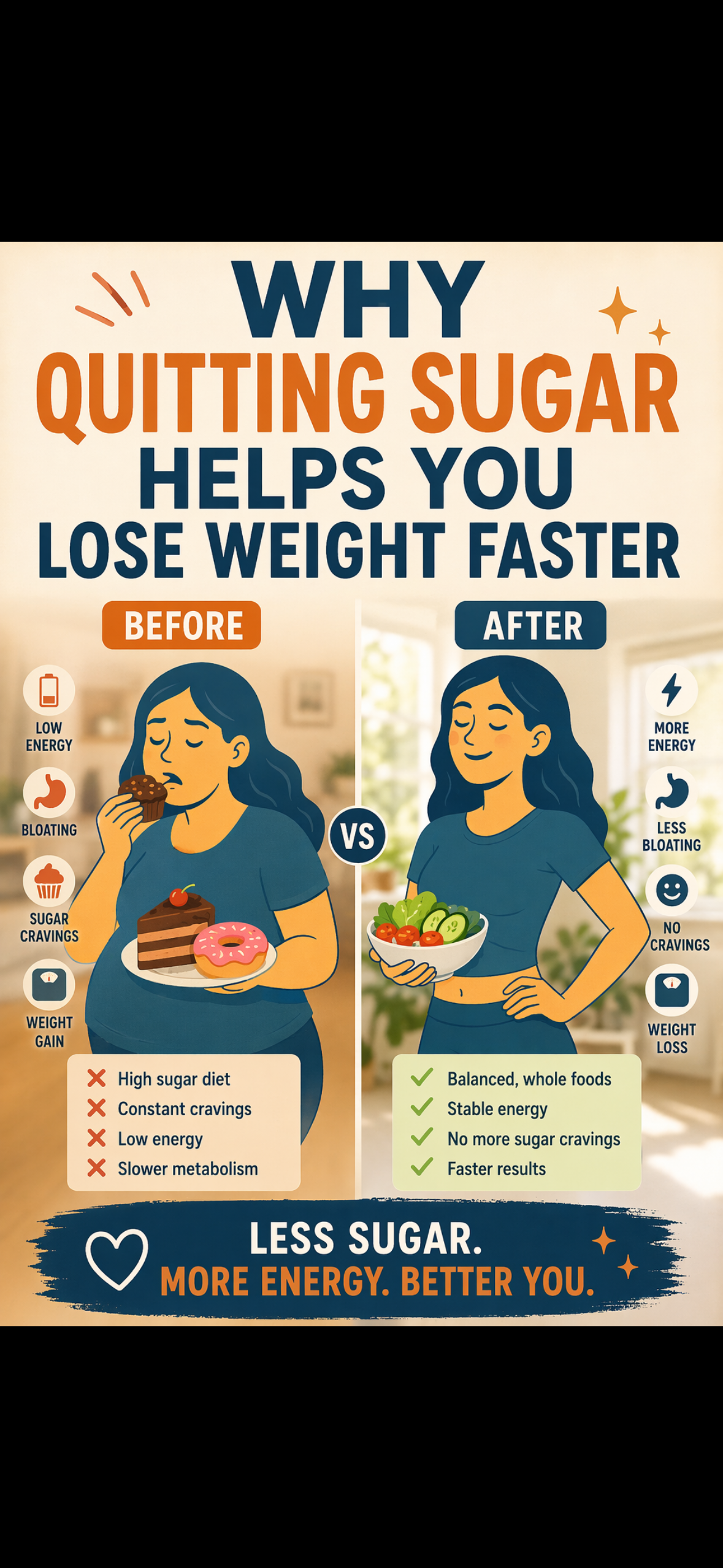
Use the quiz to see if sugar is really affecting your cravings, habits, and progress before you change anything.
Does Greek Yogurt Cause Acne? The Truth About Dairy and Breakouts
Dairy is a famous acne trigger, but is Greek yogurt an exception? Learn how probiotics and dairy proteins affect your skin.

The Problem With Dairy
For many acne sufferers, dairy is the number one trigger for inflammation. Milk contains hormones and proteins like whey and casein that are known to increase insulin levels and stimulate oil production. Greek yogurt, while fermented, still contains these dairy proteins and can be problematic for those with sensitive skin.
Probiotics vs Hormones
Greek yogurt is often praised for its probiotics, which are beneficial for gut health and can indirectly improve skin quality. However, the hormonal impact of the dairy itself often outweighs the benefits of the probiotics for people prone to cystic acne. Many commercial Greek yogurts also contain significant amounts of added sugar, which further exacerbates the problem.
Skin-Safe Alternatives
If you suspect dairy is ruining your skin, try switching to coconut-based or almond-based yogurts. These alternatives provide the same creamy texture and probiotics without the hormonal baggage of cow's milk. Always check the label for added sugars, as many dairy-free options are still high in glucose.
Track Your Triggers
Identifying your personal acne triggers can be a long process of trial and error. The Sukali app simplifies this by allowing you to track your diet and skin progress in one place. Scan your favorite yogurt today to see its sugar and dairy impact on your skin health.
Conclusion
Reducing sugar can help you lose weight faster, feel better, and take back control of your eating habits. But the first step is understanding whether sugar is truly affecting your daily life. If you are wondering whether sugar may be a problem for you, take our quiz to find out. It is a simple way to identify your habits, understand your cravings, and see where you stand before starting your journey toward a healthier lifestyle.
Take the quiz