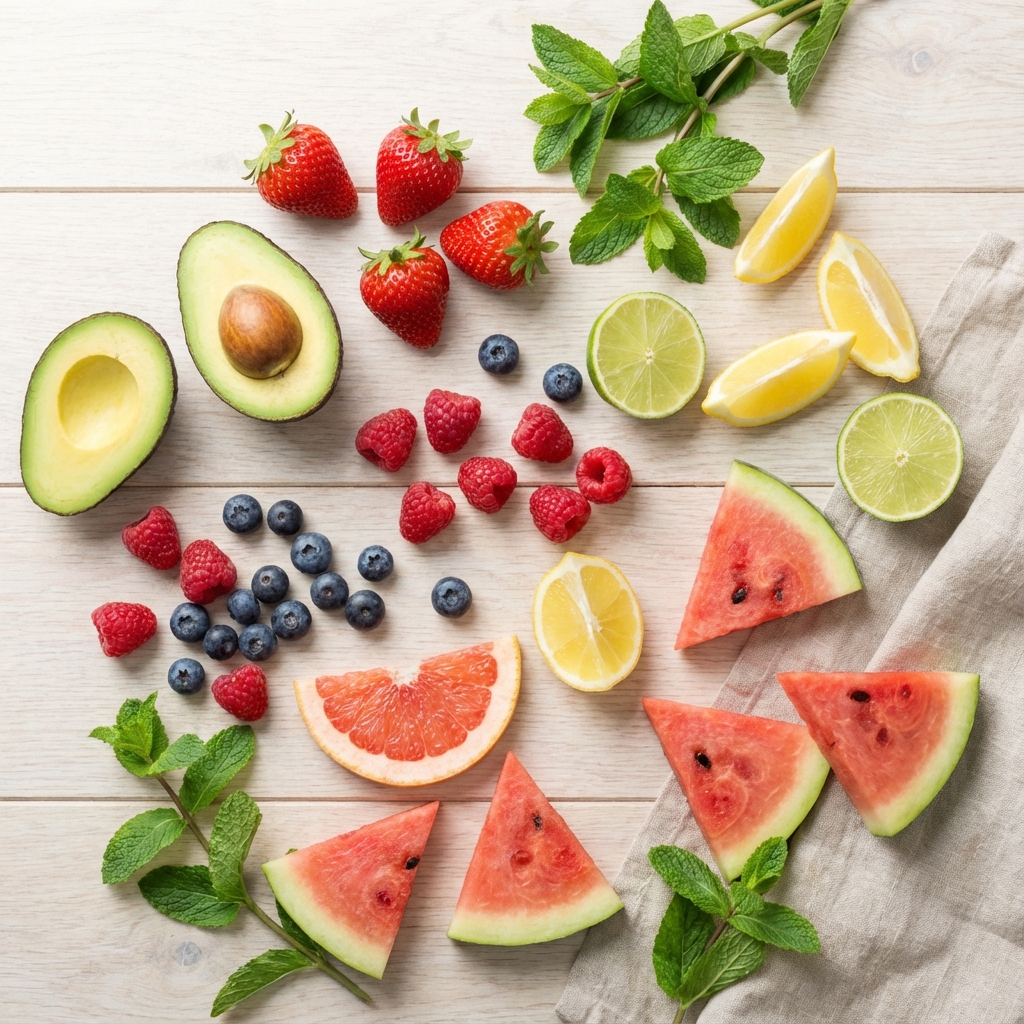
Fruit is often called nature's candy, but not all fruits are created equal when it comes to sugar content. Whether you are managing blood sugar, trying to lose weight, or simply want to reduce your sugar intake, knowing which fruits are lowest in sugar can help you make smarter choices.
Quick Reference: Sugar in Fruits
Use the Sukali app to scan any fruit and instantly see its sugar content. Making healthy choices becomes effortless when you know exactly what you are eating.
Download Sukali FreeThe 15 Best Low Sugar Fruits
These fruits contain the least sugar per serving while still providing essential vitamins, minerals, and fiber. The sugar content is listed per typical serving size.
1. Avocado
0.7g sugarYes, avocado is technically a fruit. With less than 1 gram of sugar per half, it is the lowest sugar fruit available. Rich in healthy fats, fiber, and potassium, avocados help you feel full longer and support stable blood sugar levels.
2. Lemons
1.5g sugarOne whole lemon contains just 1.5 grams of sugar. Add lemon juice to water for a refreshing, virtually sugar-free drink that aids digestion and provides vitamin C.
3. Limes
1.1g sugarEven lower in sugar than lemons, limes add bright flavor to dishes and drinks without adding significant sugar. Perfect for marinades, dressings, and sparkling water.
4. Raspberries
5g per cupRaspberries are among the lowest sugar berries with only 5 grams per cup. They are packed with fiber (8 grams per cup), which helps slow sugar absorption and keeps you feeling satisfied.
5. Strawberries
7g per cupA full cup of sliced strawberries contains just 7 grams of sugar. They provide 150% of your daily vitamin C needs and are rich in antioxidants that fight inflammation.
6. Blackberries
7g per cupBlackberries offer the same low sugar content as strawberries, plus 8 grams of fiber per cup. Their deep purple color indicates high levels of anthocyanins, powerful antioxidants for brain health.
7. Watermelon
9g per cupDespite its sweetness, watermelon is 92% water. A cup of diced watermelon contains just 9 grams of sugar. Its high water content helps with hydration and keeps you full.
8. Grapefruit
8g per halfHalf a grapefruit contains just 8 grams of sugar. Studies show grapefruit may help with weight loss and improve insulin sensitivity. Choose red or pink varieties for more antioxidants.
9. Cantaloupe
12g per cupCantaloupe provides 100% of your daily vitamin A and 95% of vitamin C in just one cup. Its moderate sugar content is balanced by excellent hydration and nutrition.
10. Peaches
13g per mediumA medium peach has about 13 grams of sugar, which is moderate compared to many other fruits. Peaches are rich in vitamins A and C and contain compounds that may support skin health.
Fruits to Limit if You're Watching Sugar
While all fruit is nutritious, some varieties are significantly higher in sugar. If you are managing blood sugar or trying to lose weight, consider limiting these fruits or enjoying smaller portions.
| Fruit | Sugar Content |
|---|---|
| Grapes (1 cup) | 23g |
| Mango (1 cup) | 23g |
| Banana (1 medium) | 14g |
| Cherries (1 cup) | 18g |
| Dried fruits (1/4 cup) | 25-30g |
Why Low Sugar Fruits Matter
Choosing low sugar fruits offers several benefits for your health and well-being.
Stable Blood Sugar
Low sugar fruits cause smaller blood sugar spikes, helping you avoid energy crashes and cravings.
Easier Weight Management
Fewer calories from sugar means you can eat more volume while staying within your calorie goals.
Better Dental Health
Less sugar means less food for cavity-causing bacteria. Your teeth will thank you.
Reduced Inflammation
High sugar intake promotes inflammation throughout the body. Low sugar fruits help keep inflammation in check.
How to Include Low Sugar Fruits in Your Diet
Making low sugar fruits a regular part of your diet is easy. Here are some practical ways to enjoy them.
Breakfast: Add mixed berries to Greek yogurt or oatmeal. The protein and fiber will keep you satisfied until lunch. Try our Berry Overnight Oats recipe for inspiration.
Snacks: Keep strawberries, raspberries, or grapefruit segments ready in your refrigerator. When cravings hit, reach for these instead of processed snacks.
Lunch: Add avocado slices to salads or sandwiches. The healthy fats help you absorb nutrients from vegetables and keep you full longer.
Dessert: Freeze berries for a refreshing treat that satisfies sweet cravings without the sugar spike of ice cream or pastries.
Track Your Fruit Sugar Intake
Even when choosing low sugar fruits, it is helpful to know exactly how much sugar you are consuming throughout the day. The Sukali app makes this simple.
Just scan any fruit, and instant nutrition information appears on your screen. You can track your daily sugar intake, set goals, and see patterns over time. Many users are surprised to discover how quickly sugar adds up, even from healthy sources.
Know Your Sugar
Scan any food to see its sugar content instantly. Make informed choices and reach your health goals faster.
Frequently Asked Questions
Which fruit has the lowest sugar?
Avocados and citrus fruits like lemons and limes have the lowest sugar content. Avocados contain less than 1 gram of sugar per half, while lemons and limes have about 1-2 grams per fruit.
Are berries low in sugar?
Yes, berries are among the lowest sugar fruits. Raspberries have about 5 grams per cup, while strawberries and blackberries contain around 7 grams per cup.
Can I eat fruit on a low sugar diet?
Absolutely. Choosing low sugar fruits allows you to enjoy the vitamins, minerals, and fiber that fruits provide without excess sugar. Focus on berries, citrus, avocados, and melons.
Is fruit sugar bad for you?
Fruit sugar (fructose) is natural and comes packaged with fiber, vitamins, and antioxidants. Unlike added sugars, fruit consumed in moderation is part of a healthy diet. The fiber in whole fruit slows sugar absorption.
The Bottom Line
Low sugar fruits offer all the nutritional benefits of fruit with less impact on your blood sugar. Berries, citrus fruits, avocados, and melons are excellent choices for anyone watching their sugar intake.
Remember that even low sugar fruits contain some natural sugars. Enjoying them as part of a balanced diet, paired with protein or healthy fats, helps maintain stable energy levels throughout the day.
Explore our collection of sugar-free recipes featuring these low sugar fruits. And download the Sukali app to track your sugar intake and make healthier choices every day.