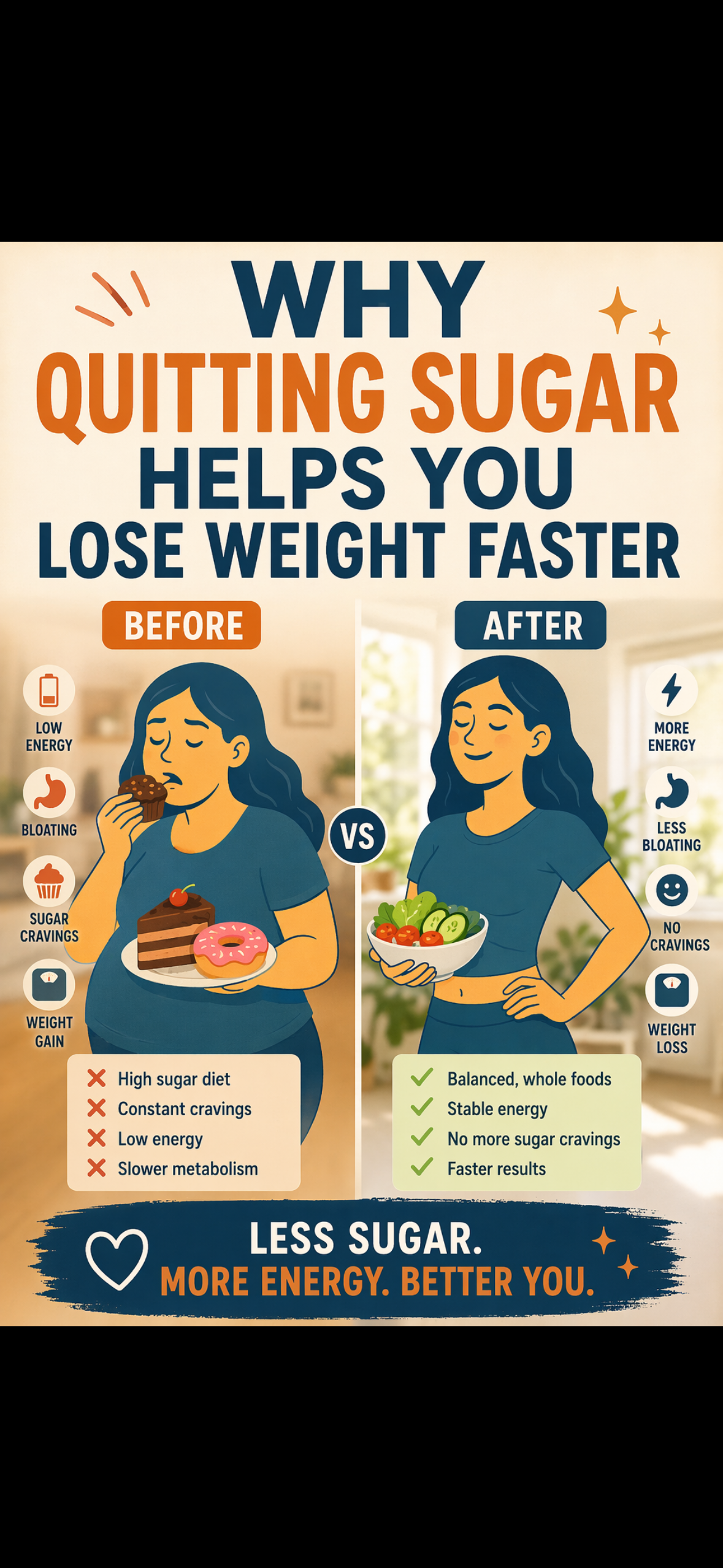
Use the quiz to see if sugar is really affecting your cravings, habits, and progress before you change anything.
Mediterranean Diet for Weight Loss: The Complete 2025 Guide
Discover why the Mediterranean diet is ranked #1 for weight loss. Science backed strategies, meal ideas, and how to lose 3 to 5 kg in just one month.
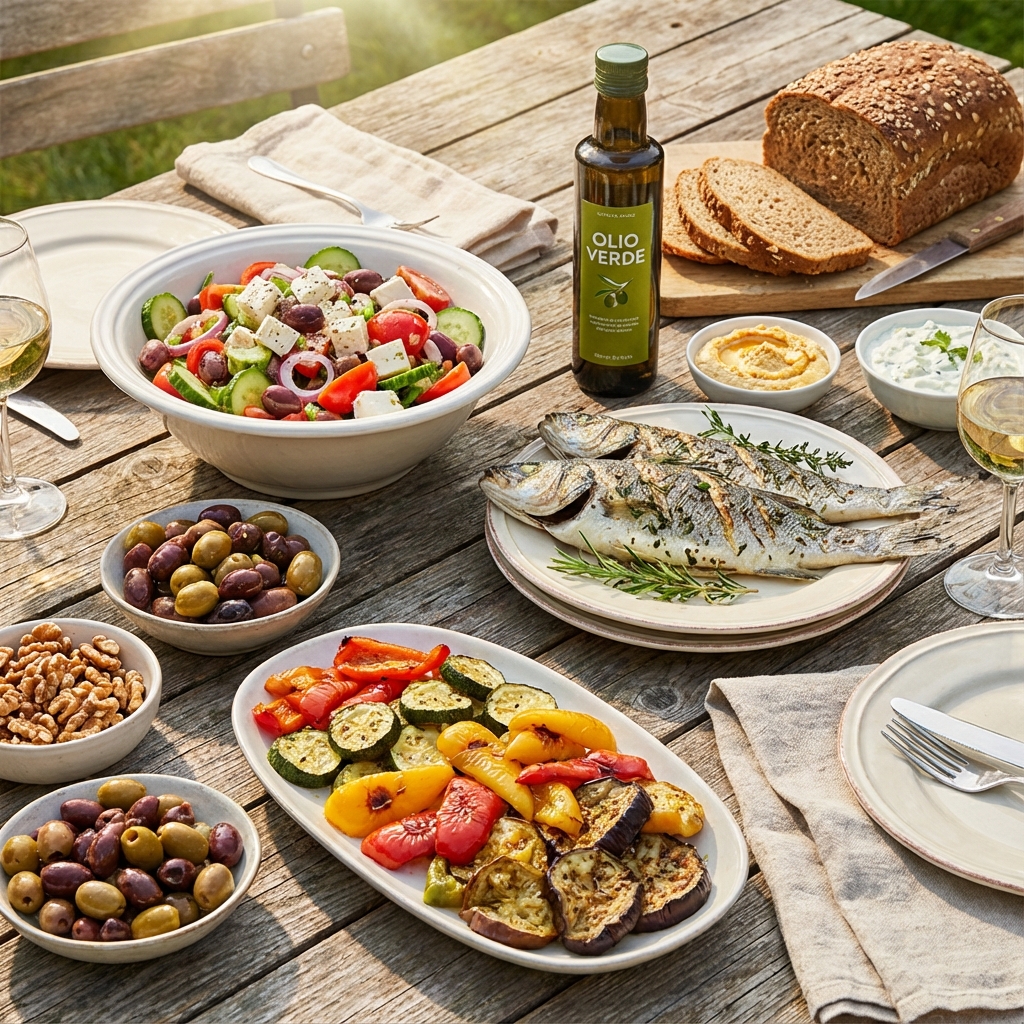
Mediterranean Diet Spread
The Mediterranean diet has been crowned the best overall diet for weight loss in 2024 and 2025 by US News and World Report. This is not just another trendy eating plan. It is backed by decades of scientific research and real world results.
But here is what makes it different from every other diet you have tried. The Mediterranean diet does not feel like a diet at all. You eat delicious food, you feel satisfied, and the weight comes off naturally.
Let me show you exactly how this works and why it might be the last diet you ever need.
What Is the Mediterranean Diet
The Mediterranean diet is based on the traditional eating patterns of countries like Greece, Italy, and Spain. People in these regions have some of the lowest rates of heart disease and obesity in the world.
The core principles are simple. You eat mostly whole foods. Vegetables, fruits, whole grains, legumes, nuts, and olive oil form the foundation. Fish and seafood appear several times a week. Poultry, eggs, and dairy are consumed in moderation. Red meat is limited to a few times per month.
What you avoid is equally important. Processed foods, refined sugars, and artificial ingredients have no place in this eating pattern. This alone eliminates most of the foods that cause weight gain and inflammation.
The Science Behind Mediterranean Weight Loss
A 2025 study published in Preventive Medicine Reports followed older adults with obesity for 14 months. Those following a calorie restricted Mediterranean diet lost an average of 3.8 kg and reduced their BMI by 1.4 points. But here is what is really impressive. They also lost significant amounts of visceral fat, the dangerous fat that wraps around your organs.
The PREDIMED Plus clinical trial, one of the largest studies ever conducted on this diet, showed that participants reduced their risk of type 2 diabetes by 31 percent. The average weight loss was 3.3 kg without feeling deprived or hungry.
Why does this happen? The Mediterranean diet works on multiple levels.
First, it improves insulin sensitivity. When your cells respond better to insulin, your body stops storing excess energy as fat. Second, it reduces inflammation throughout your body. Chronic inflammation is linked to weight gain, especially around the midsection. Third, the high fiber content keeps you full for hours, naturally reducing your calorie intake without counting every bite.
What to Eat on the Mediterranean Diet
Here is your complete food guide.
Eat Daily
Vegetables should fill half your plate at every meal. Focus on leafy greens, tomatoes, peppers, onions, and eggplant. Olive oil is your primary fat source. Use it for cooking and dressings. Whole grains like quinoa, brown rice, oats, and whole wheat bread provide sustained energy. Fruits make the perfect snack or dessert. Nuts and seeds add healthy fats and protein.
Eat Several Times Per Week
Fish and seafood are central to this diet. Salmon, sardines, mackerel, and shrimp are excellent choices. Try our Herb Baked Salmon or Garlic Shrimp Skillet. Legumes like lentils, chickpeas, and beans provide plant based protein. Our Chickpea Curry and Lentil Veggie Soup are perfect examples.
Eat in Moderation
Poultry like chicken and turkey a few times per week. Eggs provide protein and are incredibly versatile. Try our Egg Spinach Scramble. Greek yogurt and cheese in small amounts.
Limit or Avoid
Red meat should be rare, maybe once or twice per month. Processed foods including chips, cookies, and packaged snacks should be eliminated. Sugary drinks and desserts are occasional treats, not daily staples.
A Sample Mediterranean Day
Let me show you what a typical day looks like.
Breakfast
A Greek yogurt parfait with fresh berries, a drizzle of honey, and a handful of walnuts. Or try our Coconut Chia Pudding topped with fruit. Pair it with green tea or black coffee.
Lunch
A large salad with mixed greens, cherry tomatoes, cucumbers, olives, feta cheese, and grilled chicken. Dress it with extra virgin olive oil and lemon juice. Our Greek Salad Bowl is a perfect example.
Dinner
Grilled fish with roasted vegetables and a side of quinoa. Drizzle everything with olive oil and fresh herbs. Try our Mediterranean Quinoa Bowl or Zucchini Noodles with Pesto.
Snacks
A handful of almonds. Fresh fruit. Hummus with vegetable sticks. Our Beetroot Hummus is delicious.
Why Mediterranean Beats Other Diets
Research shows that people who follow the Mediterranean diet are two times more likely to maintain their weight loss compared to other diets. The reason is sustainability.
Most diets fail because they are too restrictive. You can only eat boiled chicken and steamed broccoli for so long before you crack. The Mediterranean diet includes foods that actually taste good. Olive oil, cheese, wine in moderation, and delicious seasonings make every meal satisfying.
The social aspect matters too. In Mediterranean culture, meals are shared experiences. You eat slowly, enjoy your food, and connect with others. This naturally prevents overeating because you are paying attention to your body's signals.
The Hidden Sugar Problem
Here is something most Mediterranean diet guides do not tell you. Even healthy foods can contain hidden sugars that sabotage your weight loss.
Store bought hummus might have added sweeteners. Whole grain bread can contain high fructose corn syrup. Even olive oil dressings from the supermarket often include sugar.
This is why tracking what you eat matters. The Sukali app makes this easy. Scan any food with your phone camera and see exactly what is inside. You might be surprised how many hidden sugars are lurking in foods you thought were healthy.
How to Start Today
The Mediterranean diet does not require a complete kitchen overhaul. Start with these simple changes.
Week one, switch your cooking oil to extra virgin olive oil. Week two, add a salad to your lunch every day. Week three, replace red meat with fish twice per week. Week four, stock your pantry with nuts, legumes, and whole grains.
Small changes compound over time. In one month, you will have transformed your eating habits without feeling deprived.
Track Your Progress with Sukali
The key to Mediterranean diet success is knowing exactly what you eat. Hidden sugars in packaged foods can undo all your hard work.
Sukali makes tracking simple. Scan your food and see the sugar content instantly. No more guessing. No more accidentally eating foods that spike your insulin and store fat.
Download Sukali today and start your Mediterranean journey with complete confidence. The best diet in the world works even better when you have the right tools.
Conclusion
Reducing sugar can help you lose weight faster, feel better, and take back control of your eating habits. But the first step is understanding whether sugar is truly affecting your daily life. If you are wondering whether sugar may be a problem for you, take our quiz to find out. It is a simple way to identify your habits, understand your cravings, and see where you stand before starting your journey toward a healthier lifestyle.
Take the quiz